Guide · Materials
Natural Cosmetics from Bali: Coconut Oil, Frangipani and Spa Traditions
2 September 2026 · 7 min read
Natural cosmetics from Bali are above all cold-pressed virgin coconut oil (VCO), spice scrubs and pastes rooted in spa tradition (boreh, lulur), essential oils from steam distillation, and soaps made by hand using the cold process. Their base is plants that have always grown on the island: coconut, turmeric, lemongrass, tamarind and the flowers frangipani, champak and ylang-ylang.
In this article we describe how virgin coconut oil is made and what it is good for, what boreh and lulur are, which plants and flowers go into Balinese cosmetics, how oils are distilled and soap is made, what to avoid on a label, what INCI and EU notification mean, how to store natural cosmetics and how to do a patch test. In August 2026 we visited soap and oil workshops in the south of Bali, in Tuban and Ungasan, and some of these observations come from there.
How is virgin coconut oil made, and what is it for?
VCO (virgin coconut oil) is oil pressed from the fresh flesh of the coconut without refining, bleaching or high temperatures. This sets it apart from ordinary coconut oil made from copra, the dried flesh, which needs purifying and loses its scent. The most common method in Bali is the wet method: the flesh of mature nuts is grated, coconut milk is squeezed from it, and the milk is then left to separate through fermentation, settling or centrifuging; the oil is collected from the top and filtered. Good VCO is clear, smells of fresh coconut and sets into a white solid below about 24–25°C, which is normal and not a sign of spoilage.
In skincare VCO works as an emollient: it softens the skin and limits water loss, which is why it does well as a body oil after bathing, for massage, on the ends of hair and as a base for essential oils. It consists mainly of lauric acid. On the face it can be too heavy for oily, blemish-prone skin, so there it is better to start with a small amount. The Balinese also use it in cooking and, traditionally, for anointing during ceremonies.
Boreh and lulur: two spa traditions
Boreh is a Balinese warming spice paste: ginger, galangal, cloves, cinnamon, turmeric and rice flour ground with a little water or oil. Traditionally farmers applied it after a day in the water of the rice terraces to warm their muscles and drive out the chill; today it is a spa treatment that leaves the skin warm and flushed. Boreh is kept on for ten to fifteen minutes, no longer, because the spices can sting.
Lulur comes from the courts of Central Java, where for weeks before her wedding a bride was rubbed daily with a scrub of turmeric, rice flour, sandalwood and flowers (hence the name mandi lulur, “lulur bath”). Turmeric gives the skin a golden tone, rice exfoliates gently, and the treatment is traditionally followed by a bath with flower petals. Modern lulur in a jar is usually a powder to be mixed with water or yoghurt, or a ready-made oil-based paste. Both treatments combine what matters most in a Balinese spa: rhythm, touch and plants, which we write about in our piece on aromatherapy the Balinese way.
Which plants and flowers go into Balinese cosmetics?
- Frangipani (jepun, Plumeria) — the temple flower of Bali, with a creamy, honeyed scent; used in massage oils, baths, soaps and floral waters. Distillation alone yields very little oil, so the frangipani scent in cosmetics is usually a macerate, an absolute or a fragrance blend,
- Champak (Magnolia champaca) — a golden flower with a heavy, tea-like floral scent; hair oil and perfume,
- Ylang-ylang (kenanga, Cananga odorata) — a flower native to Indonesia and the Philippines, steam-distilled; a sweet, heady oil, relaxing in small doses,
- Lemongrass (sereh) — a fresh, citrus oil; in soaps, sprays and massage oils; its relative citronella keeps mosquitoes away,
- Turmeric (kunyit) — colours and traditionally “brightens” the skin in lulur; leaves yellow marks on towels,
- Tamarind (asam) — pulp with fruit acids, a gentle exfoliant; an ingredient of lulur and Javanese jamu drinks,
- Patchouli (nilam) and vetiver (akar wangi) — earthy, rooty oils of which Indonesia is one of the largest producers in the world; for soaps and perfumes.
How the flowers of the island smell and what they mean is the subject of our article on the scents of Bali: frangipani, sandalwood and vetiver.
Ingredients of Balinese cosmetics: a comparison
| Ingredient | Origin | Effect | Form |
|---|---|---|---|
| Virgin coconut oil | fresh coconut flesh; all of Bali | emollient, softens, limits water loss | oil, base of soaps and balms |
| Turmeric (kunyit) | rhizome; Java, Bali | colours, traditionally brightens and soothes | powder for lulur, pastes |
| Ginger, galangal, clove | rhizomes and buds; all Indonesia | warms, stimulates circulation | boreh, massage oils |
| Rice | rice terraces of Bali | gentle exfoliant, absorbs sebum | flour for scrubs |
| Frangipani, champak, ylang-ylang | flowers; Bali, Java | scent, mood, relaxation | macerates, absolutes, oil, soaps |
| Lemongrass (sereh) | leaves; farms in Bali and Java | refreshes, cleanses | essential oil, soaps, spray |
| Tamarind (asam) | fruit pulp; Java | fruit acids, gentle exfoliation | lulur, masks |
| Patchouli, vetiver | leaves / roots; Sumatra, Java | earthy note, scent fixative | essential oil, soaps |
How are oils distilled and soap made by hand?
Essential oils are produced by steam distillation: steam is passed through leaves, flowers, bark or roots, it carries off the volatile compounds, and after cooling the oil separates from the water (that water is a hydrosol, a gentle cosmetic in its own right). Lemongrass, patchouli, ylang-ylang, clove and vetiver distil well; frangipani and champak do not, which is why their “oils” are usually macerates in coconut oil or ready-made fragrance blends. An honest maker says so.
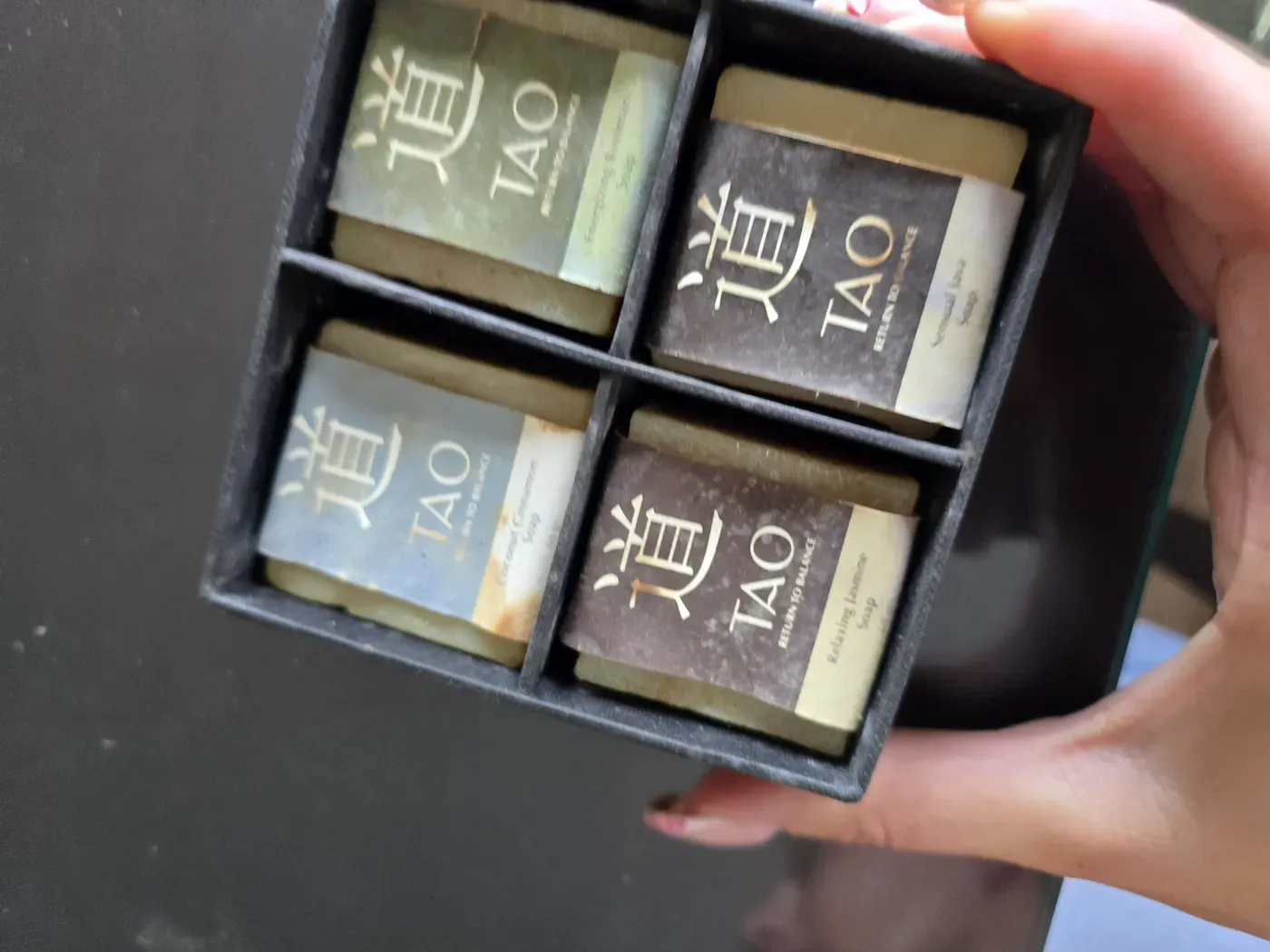
Handmade soap is made by the cold process: vegetable oils (coconut, palm, olive, seed oils) are mixed with a solution of sodium hydroxide, and the saponification reaction turns them into soap and glycerine, which stays in the bar and moisturises. The mixture is poured into moulds, cut after a day and set aside to cure for four to six weeks: during this time the bar hardens, excess water evaporates and the pH softens. In the workshops in Tuban and Ungasan we saw shelves full of curing bars with frangipani, lemongrass and coffee, and it is this time, not the additives, that decides the quality of a soap.
What to avoid, and how to read a label in the EU
Not every “natural” product is natural, and not every synthetic ingredient is bad. A few matter-of-fact pointers:
- INCI — in the European Union the ingredients of a cosmetic are listed in INCI nomenclature, in descending order of content; Cocos Nucifera Oil in first place means coconut oil is the base, not an additive,
- Parfum / fragrance — one word standing in for a whole fragrance composition; in a cosmetic “with essential oils” look for plant names, not just parfum; the most common fragrance allergens must be listed separately,
- SLS and parabens — sulphates (SLS, SLES) are effective but degreasing detergents, and parabens are preservatives permitted in the EU; both are legal and well studied. If you prefer to avoid them, choose bar soaps, which need no preservatives, and water-free products such as oils and butters,
- EU notification — every cosmetic sold in the Union must have a responsible person in the EU and be notified on the CPNP portal; this is the importer’s duty, and for the customer a guarantee that the product has passed a safety assessment,
- Date and PAO — the open-jar symbol with a number of months tells you how long the product can be used after opening.
How to store natural cosmetics and do a patch test
Products without synthetic preservatives have a shorter life and call for simple habits. Keep coconut oil and essential oils cool, in dark glass or a cupboard, tightly closed: heat, light and oxygen speed up rancidity. Solidified VCO is normal; just stand the jar somewhere warm. Protect powder scrubs from moisture, and use up pastes and water-based products within a few weeks unless the maker says otherwise. A bar of soap needs a draining soap dish so that it dries between uses; it then lasts twice as long.
Natural does not mean non-allergenic: essential oils, turmeric and the spices in boreh are active substances. Before first use, apply a small amount to the inside of your forearm and wait 24–48 hours; redness, itching or burning is a signal to put the product aside. Do not apply essential oils to the skin undiluted, and in pregnancy or for small children consult a doctor before using them.
What this means for the objects in your home
Everything begins with curiosity: with the question of why a Balinese spa smells the way it does, and what is really in that jar. In Sari Bali's wellness and bathroom categories we gather products from small workshops that can answer that question: coconut oil, soaps that cure for weeks, oils and scrubs from plants that grow on the island. Not cosmetics “from Bali” in name only, but ones whose ingredients you can actually read.
Frequently asked questions
- How does virgin coconut oil differ from ordinary coconut oil?
- VCO is pressed from fresh coconut flesh without refining or high temperatures, so it keeps its scent and natural composition. Ordinary coconut oil is made from copra, the dried flesh, and is refined, bleached and deodorised; it is cheaper and odourless.
- What is boreh?
- Boreh is a Balinese warming spice paste of ginger, galangal, cloves, cinnamon, turmeric and rice flour. Traditionally farmers used it after work on the rice terraces to warm their muscles; today it is a spa treatment applied for ten to fifteen minutes.
- What is lulur?
- Lulur is a Javanese scrub of turmeric, rice flour, sandalwood and flowers, originating in the pre-wedding ritual of the courts of Central Java. It exfoliates gently and gives the skin a golden tone; the treatment is traditionally followed by a bath with flower petals.
- Why has my coconut oil turned solid, and has it gone off?
- Coconut oil sets below about 24–25°C, and in a European home it will be white and solid for most of the year. This is normal and not a sign of spoilage. Spoiled oil is recognised by a sour, musty smell, not by its texture; just stand the jar somewhere warmer.
- Can natural cosmetics from Bali be sold legally in the EU?
- Yes, provided the requirements of the EU Cosmetics Regulation are met: ingredients in INCI nomenclature, a safety assessment, a responsible person in the EU and notification of the product on the CPNP portal. This is the importer’s responsibility, not the customer’s.
The shop opens in autumn 2026 — the first container is being filled now.
Join the First CircleThe list shops first — 48 h before opening