Guide · Craft & interiors
Ata Baskets — Smoke-Cured Weaving That Keeps Insects Away
7 September 2026 · 5 min read
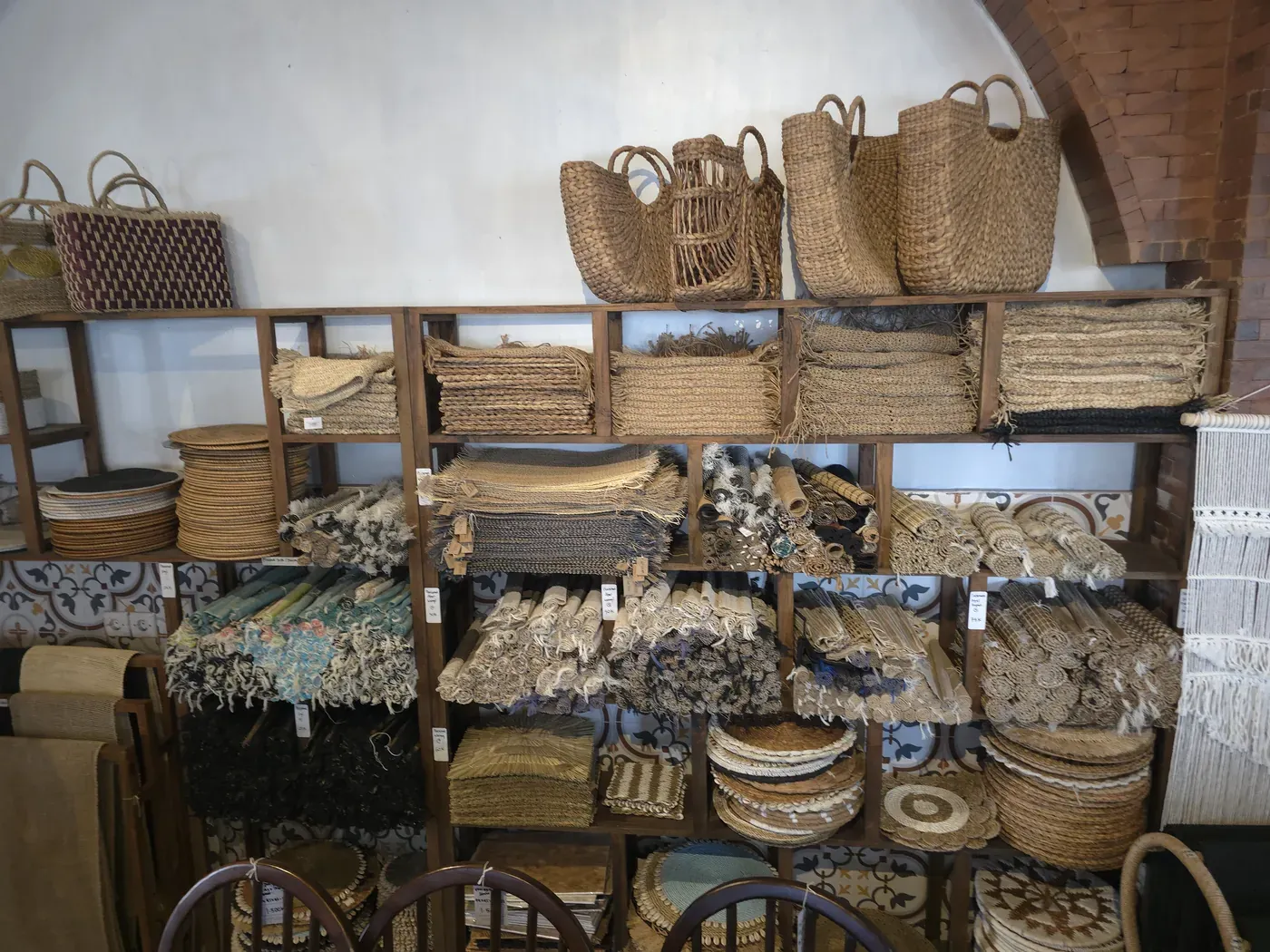
In a world flooded with cheap "boho rattan", the ata basket is the quiet aristocrat of basketry. It is made in eastern Bali, in the village of Tenganan, and it differs from mass-produced baskets in everything: material, time, even scent. This is no factory decoration — it is an object that takes months to make.
Not rattan, but fern
Ata is not rattan but a climbing fern (of the genus Lygodium). Its stems are split into thin, strong strands, which are woven by hand into a dense, tight structure. The weaving of a single basket alone can take up to a month — which is why ata was never cheap, and never mass-made.
The secret is in the smoke
What truly sets ata apart happens after the weaving. The finished basket is boiled, dried in the sun for about a week, and then smoked over coconut husks. That final stage changes everything:
- The colour — the weave takes on a deep, golden-amber shade that no dye can reproduce.
- The scent — a subtle, smoky note that stays in the weave for years.
- The durability — smoking hardens the fibres and, remarkably, gives them natural insect-repelling properties.
It is an example of craft in which form and protection are one: the basket is beautiful not despite the process that preserves it, but because of it.
A village that weaves together
Ata is made in Tenganan Pegringsingan — the same Bali Aga village where geringsing is woven. Here, weaving is communal work, a seasonal "assembly line" in which the skill is handed down through generations of women. When you buy an ata basket, you're not buying a product — you're buying a month of someone's patience.
How do you tell a genuine ata basket from a machine-made imitation? The same way as any other handicraft — by the irregularities, the weight, the scent and the story. We cover it in recognising genuine handicraft.
Frequently asked questions
- How does an ata basket differ from a rattan one?
- Ata is woven from fern, not rattan. It is denser, harder, smoked over coconut (hence the golden colour and smoky scent) and naturally repels insects. It takes months to make, so it costs more than mass-produced rattan.
- Why are ata baskets expensive?
- Because a single basket takes up to a month to weave, then is boiled, dried for a week and smoked over coconut husks. It is a multi-stage, fully manual process — the price reflects the time and the skill.
- How do I care for an ata basket?
- Keep it away from prolonged damp and full sun, and wipe it with a dry or slightly damp cloth. Thanks to the smoking, a well-made ata basket serves for years and only gains character with time.
The shop opens in autumn 2026 — the first container is being filled now.
Join the First CircleThe list shops first — 48 h before opening