Incense from Bali
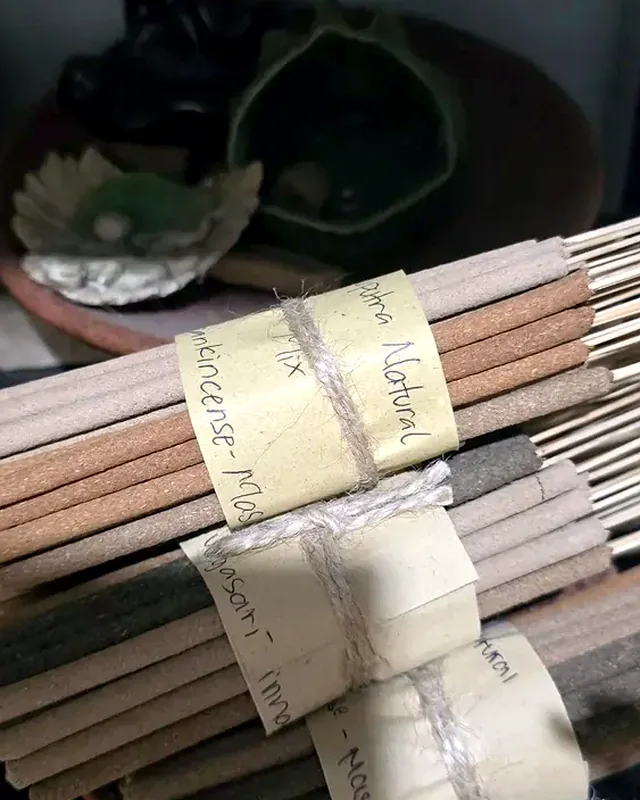
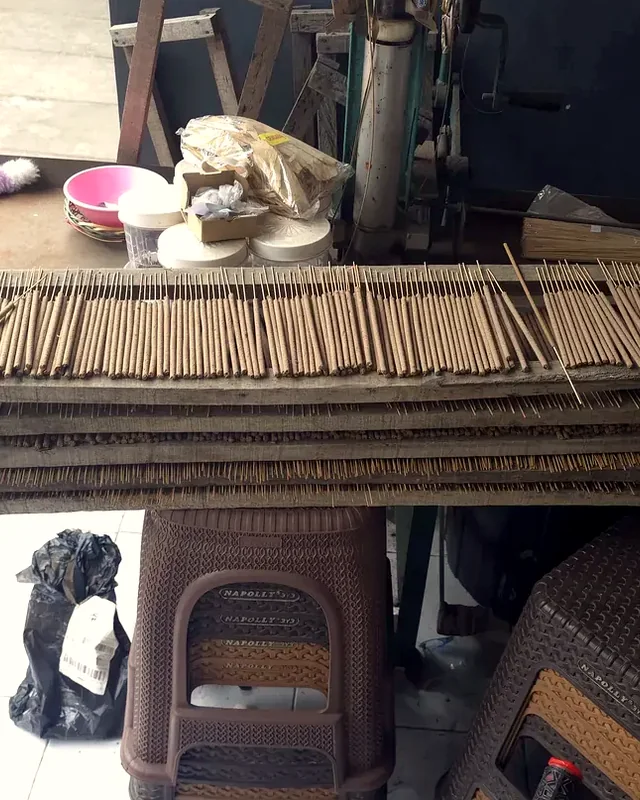
Incense from Bali — dupa in Balinese — is the smoke that accompanies the daily canang sari offerings on the island: in the morning in front of the house, in temples and at family shrines. It is traditionally made from resins, wood and herbs, and at Sari Bali we bring the ritual home: for the morning, for meditation, for the evening.
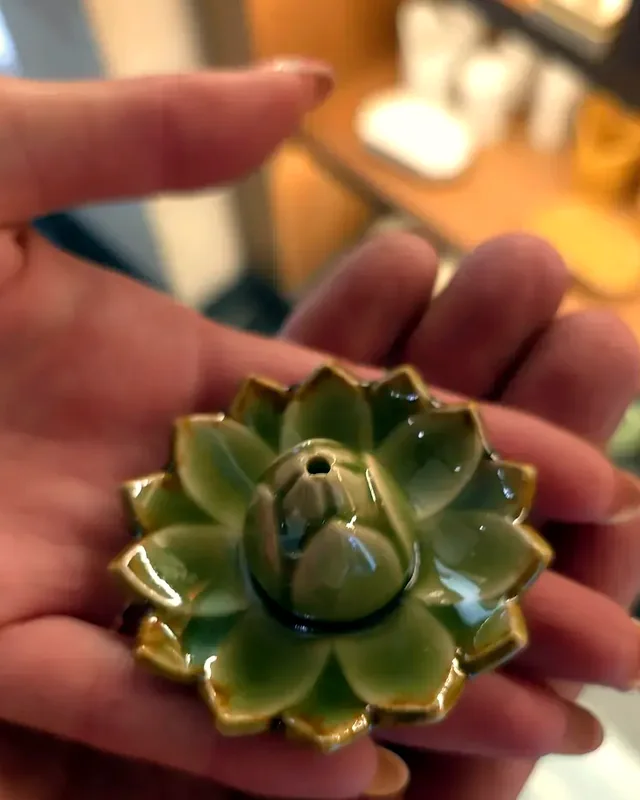
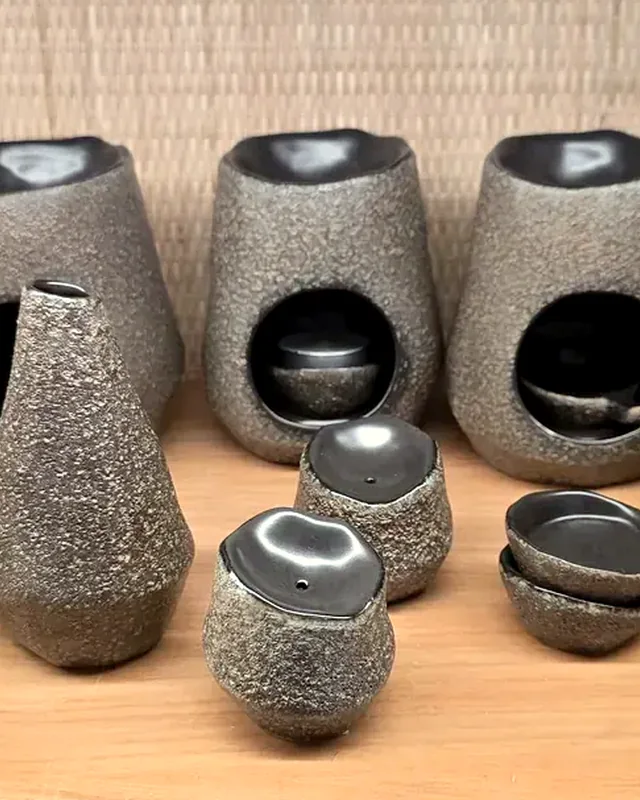
Stick length, burning time and scents will be listed for each product before pre-orders open — once we have checked the batch we are bringing in. We pair the incense with holders, and before a full pack you will be able to order a sampler and test the scent at home.
From the Guide
How to Burn Incense Safely at Home
Incense is a small fire on your table. A few simple rules worth keeping in mind every time you light it.
Balinese Incense — What It Means and How It's Made
A few million incense sticks are burning on the island at this very moment. Not because they smell lovely — because the smoke carries prayers.
Canang Sari — Bali's Morning Ritual That Teaches Calm
This ritual is where the whole brand began — the "sari" in Sari Bali means "essence", and it comes from exactly here.
Symbols of Bali — the Lotus, Frangipani and Sacred Rice
In Balinese craft, nothing is accidental. The lotus, the frangipani and the rice stalk carry meanings older than any catalogue.
Incense Raw Materials: Sandalwood, Agarwood, Benzoin and More
Wood that only smells after decades, resin a tree makes in self-defence, and bark that holds it all together. A look inside an incense stick.
Pura Besakih: the Mother Temple on the Slopes of Mount Agung
More than twenty temples on volcanic terraces, lava that stopped just short of the walls, and a ceremony held once a century. We were there in August.